Lying or Lieing: The Correct Spelling Explained
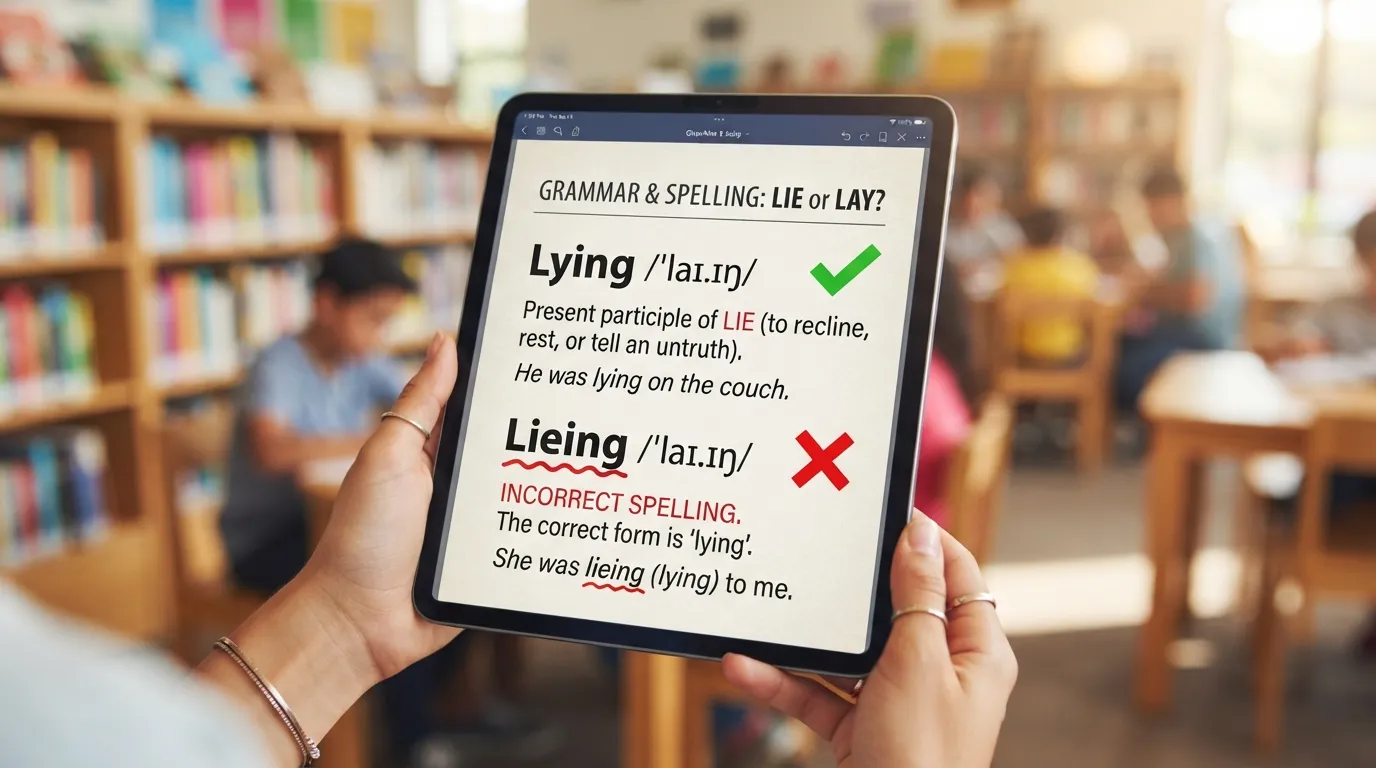
lying or lieing
“Lying” is the correct spelling for the present participle of “lie,” whether you mean telling a falsehood or reclining. “Lieing” ...
Read more

Stoping or Stopping: The Correct Spelling Explained
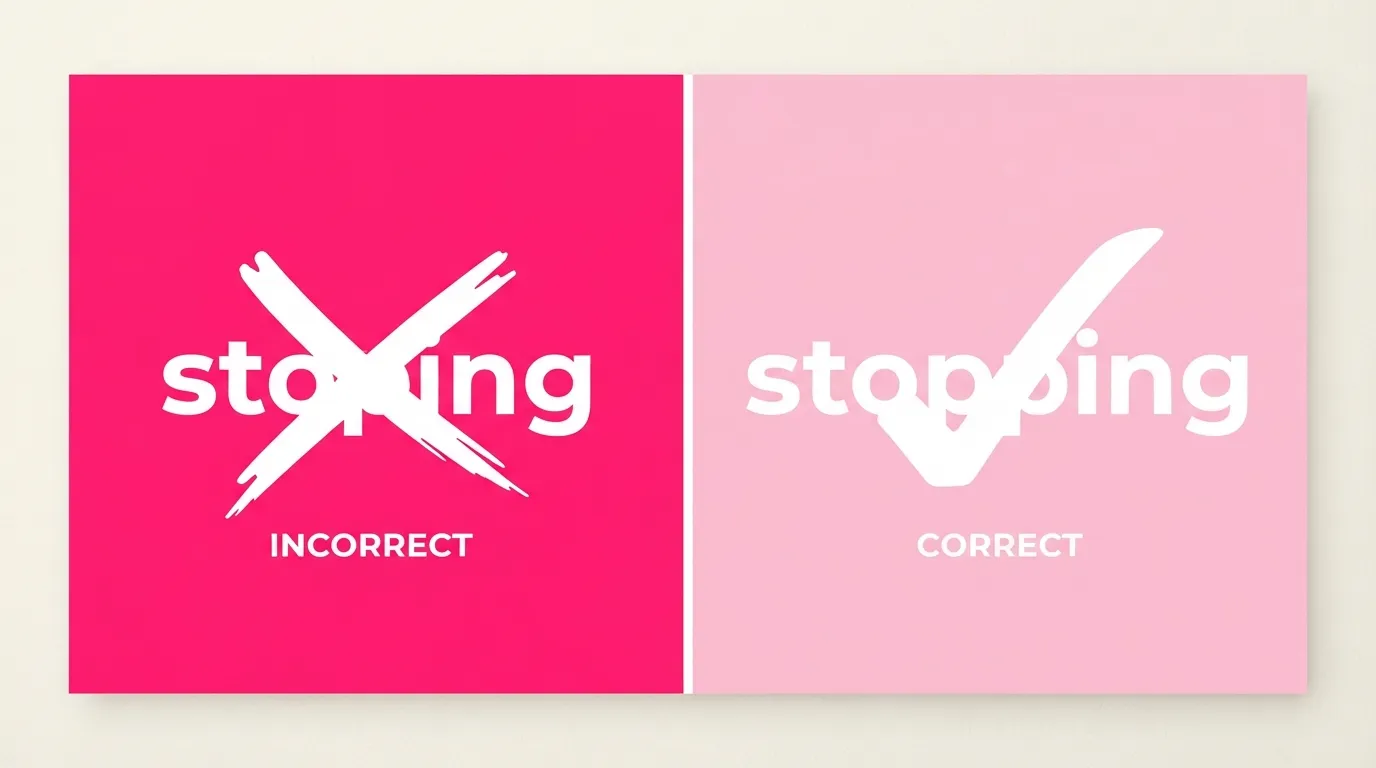
stoping or stopping
Stopping is the correct spelling for the everyday action of ceasing movement or activity. Stoping is a real but completely ...
Read more

Pannel or Panel: The Correct Spelling Explained
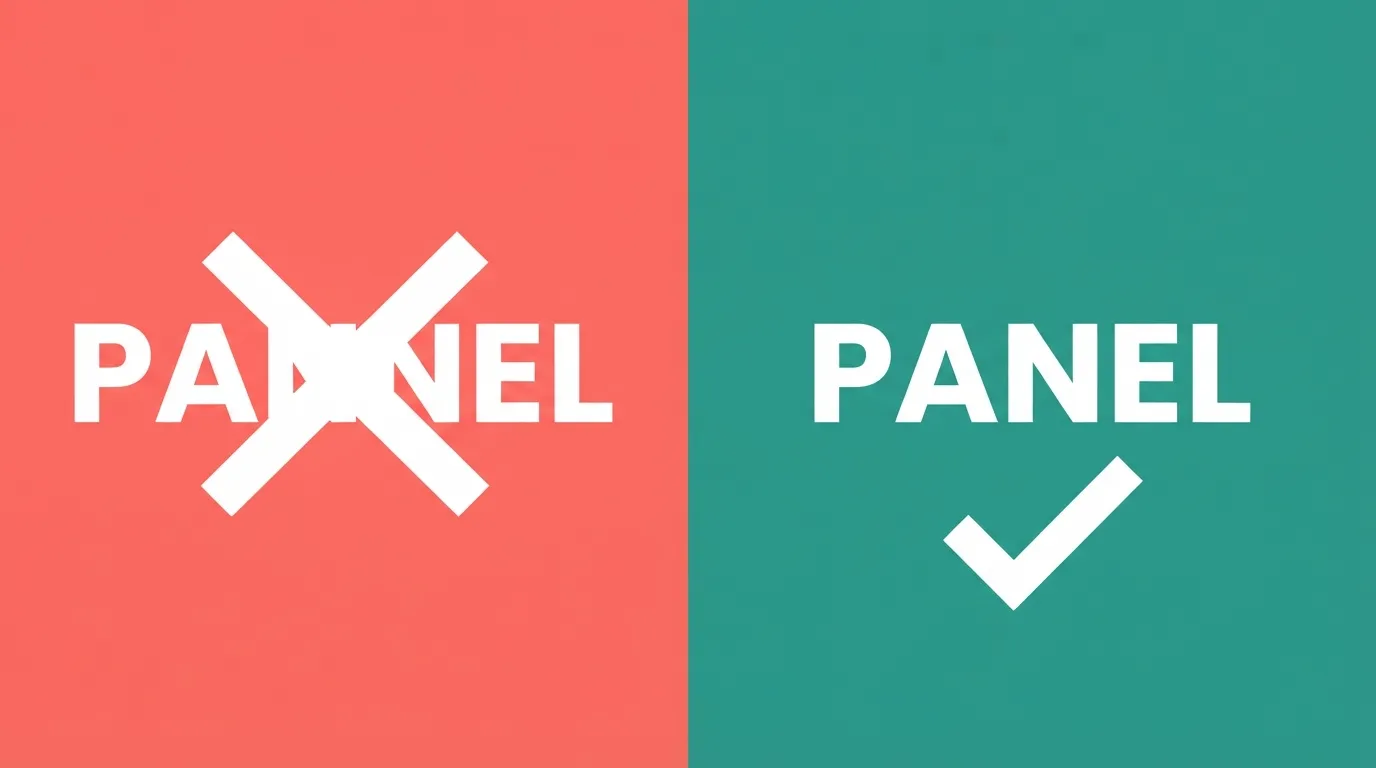
pannel or panel
Panel is the correct spelling. Pannel is a common misspelling that does not appear in any standard dictionary, even though ...
Read more

Label or Lable: The Correct Spelling Explained

label or lable
Label is the correct spelling. Lable is a common misspelling that does not appear in any standard dictionary, even though ...
Read more

Separate or Seperate: The Correct Spelling Explained
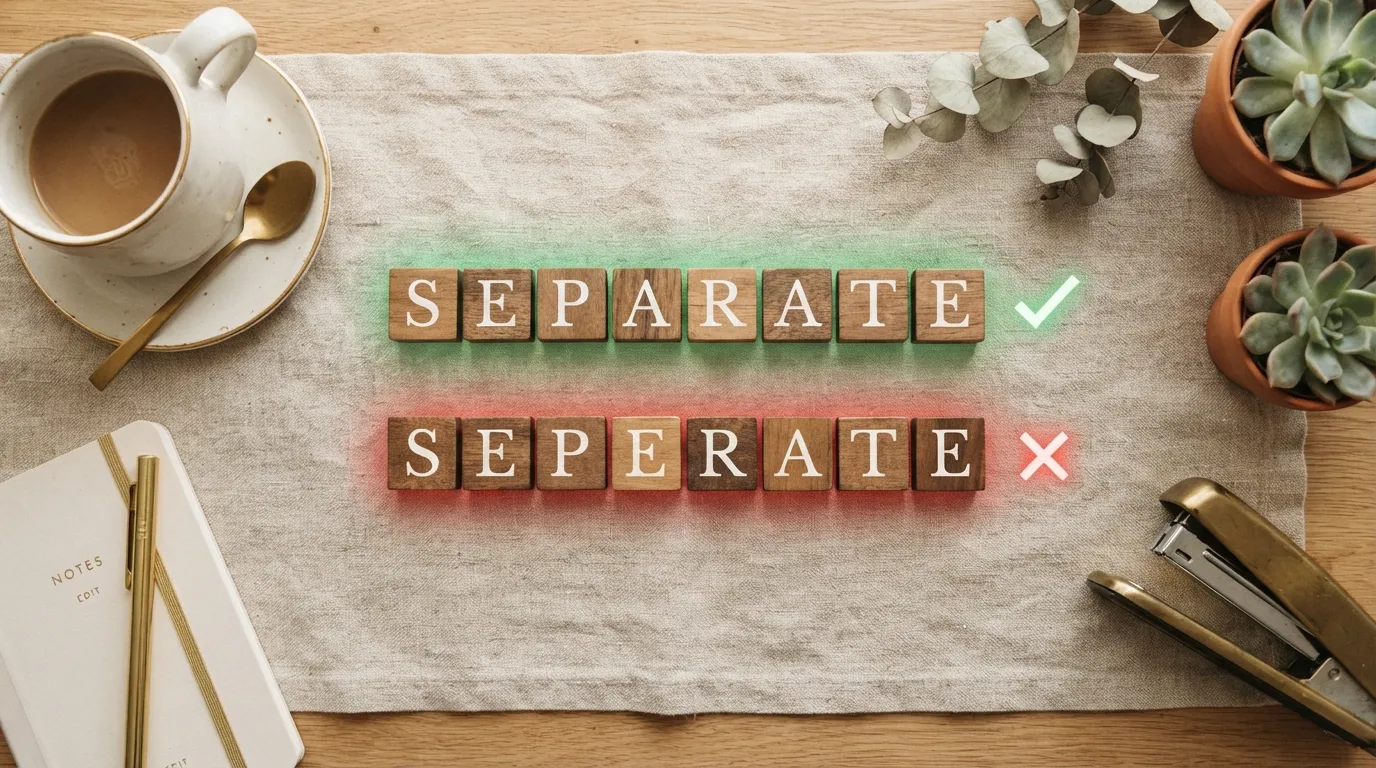
# Separate or Seperate: The Correct Spelling Explained **Quick Answer:** Separate is the correct spelling. Seperate is one of the most common misspellings in the English language and does not appear in any standard dictionary. I once watched a coworker retype the word separate four times in a single email, deleting it each time because it still looked wrong. She finally gave up and used the word "split" instead, just to avoid the problem entirely. If you have ever done the same thing, you are in good company. Studies on common English errors consistently rank this word near the top of the list, right alongside words like definitely and necessary. The trouble comes from a strange pattern buried in the middle of the word. Your ear hears one sound, but your eyes need to remember something slightly different, and that mismatch trips up even confident writers. This guide fixes the confusion for good. You will learn the correct spelling, why seperate keeps appearing anyway, and a simple trick that makes the mistake almost impossible to repeat. ## Separate or Seperate: Quick Answer **Separate** is the only correct spelling, whether you are using it as a verb meaning to divide something, or as an adjective meaning distinct or apart. **Seperate** is not a real word. It is a frequent misspelling caused by how the middle of the word sounds when spoken aloud. Example: "Please separate the recycling from the trash" is correct. "Please seperate the recycling from the trash" would be marked wrong by every major dictionary and spellchecker. ## The Origin and Background of Separate Separate comes from the Latin word separare, formed from se, meaning apart, and parare, meaning to prepare or arrange. The word entered English through French influence during the medieval period and has kept its Latin based spelling ever since. That Latin root explains the tricky middle section of the word. The letters ara sit right in the center, but most English speakers pronounce that section with a soft, unclear vowel sound, often closer to an uh sound than a clear a. This mismatch between sound and spelling is exactly why seperate shows up so often. Writers hear an e sound in the middle and naturally reach for the letter that matches what they hear, rather than the letter the word actually uses. Autocorrect tools have made this worse in some cases. Many keyboards catch the mistake instantly, which means some writers never fully learn the correct spelling on their own, since the software quietly fixes it every time. ## Separate Explained: Correct Usage and Common Variations | Term | Meaning | When to Use | Region/Context | |------|---------|-------------|-----------------| | Separate | To divide, or to describe something distinct or apart | All writing, formal and casual | Standard across English speaking regions | | Separately | In a separate manner or at a separate time | Describing individual actions or items | Common in instructions and formal writing | | Seperate | Not a standard word | Never intentionally | Appears only as a misspelling | Separate and separately share the same correct spelling pattern, since separately simply adds a suffix to the base word. Seperate does not belong in this group at all, since it is not an accepted variant in any dictionary. ## Which Spelling Should You Use? ### Students and Academic Writing Always use separate. Teachers, professors, and grammar checkers expect this exact spelling in every assignment and essay. ### Business and Professional Writing Use separate consistently. A misspelled version of such a common word can quietly damage the credibility of an otherwise polished document. ### Legal and Formal Documents Use separate without exception, since these documents often rely on precise, defensible language where spelling errors carry real consequences. ### Casual Writing and Messaging Separate still wins here too. Since seperate has no accepted meaning, using it risks looking careless, even in a quick text or comment. ### Global or Neutral Audiences Choose separate every time. It reads correctly across American English, British English, and every major international style guide. If you remember only one rule, remember this: separate is always correct, and seperate is always a mistake. ## Common Mistakes with Separate and Seperate ### Mistake 1: Spelling the Middle of the Word by Sound Alone Correction: Remember that separate contains the word rate hidden inside it, spelled s e p a rate, which helps lock in the correct middle letters. ### Mistake 2: Assuming Seperate Is a Simplified or Informal Version Correction: Seperate is not an informal spelling or regional variant. It is simply incorrect in every context. ### Mistake 3: Trusting Spellcheck Completely Without Double Checking Correction: Most modern spellcheckers catch this error, but older documents, handwritten notes, and some apps may still let it slip through unnoticed. ### Mistake 4: Confusing Separate with Similar Looking Words Correction: Words like desperate and temperate share a similar rhythm, which can pull your spelling instincts in the wrong direction if you are not paying close attention. ### Mistake 5: Repeating the Mistake in Fast Typing or Note Taking Correction: Slow down slightly on this specific word, or use a memory trick, since speed typing is when this error appears most often. Each of these mistakes happens because separate is a word people hear constantly but rarely study closely, which leaves the spelling open to guesswork. ## Separate in Real World Examples ### Professional Email "Please keep the invoices in a separate folder from the receipts before the audit begins next week." ### News Headline "City Council Votes to Keep School Zoning and Housing Policy as Separate Agenda Items" ### Social Media Post "Finally organized my recipes into separate folders for breakfast, lunch, and dinner. Feels so much better." ### Formal Document "Each department must submit a separate report detailing quarterly expenses and projected budget needs." Notice how separate fits naturally into every tone, from a casual social post to a formal budget report. That consistency is exactly why the correct spelling matters so much. ## Separate and Seperate: Data, Trends, and Usage Searches comparing separate and seperate happen year round, driven largely by students, writers, and professionals double checking their spelling before submitting work. Editors, teachers, and content writers search this pair frequently, especially when reviewing documents where a single misspelling could distract from otherwise strong writing. This search falls almost entirely into the informational category. Readers want one clear, fast answer, not a long explanation of grammar theory. Search interest in commonly misspelled words continues to grow as more writing happens quickly through phones and messaging apps, which makes fast, reliable spelling guides more valuable than ever. ## Standalone Comparison Table | Term/Variant | Meaning | Region/Context | Best Used When | |---------------|---------|-----------------|------------------| | Separate | To divide, or to describe something distinct or apart | Global standard | Any writing situation, formal or casual | | Separately | In an individual or distinct manner | Global standard | Describing actions done one at a time | | Seperate | No accepted meaning | Appears only as an error | Never appropriate | ## Frequently Asked Questions ### What does separate mean? Separate means to divide something into parts, or to describe things that are distinct and apart from one another. It works as both a verb and an adjective depending on the sentence. ### How do you use separate correctly in a sentence? Use separate as a verb to describe dividing something, such as "separate the whites from the darks," or as an adjective to describe distinct items, such as "they live in separate apartments." ### Seperate vs separate, what is the actual difference? There is no real difference in meaning, because seperate is not an accepted word at all. Separate is the only correct spelling for this concept. ### Is seperate ever acceptable in formal writing? No. Seperate should never appear in formal, academic, or professional writing. Separate is the expected and correct spelling in every context. ### Which version is correct, separate or seperate? Separate is correct. Seperate is a misspelling that happens because the middle of the word sounds different from how it is actually spelled. ### Where does the word separate come from? Separate comes from the Latin word separare, combining se, meaning apart, with parare, meaning to prepare or arrange, entering English through French influence in the medieval period. ### Can separate be used in both formal and casual writing? Yes. Separate works naturally in every register, from legal documents and business reports to casual texts and social media posts, without ever needing an alternate spelling. ## Final Thoughts Separate is the spelling you should use every single time, no matter how the word sounds when you say it out loud. Seperate simply is not a recognized word, even though it remains one of the most common typing mistakes in English. Remember the simple trick from this guide. Picture the hidden word rate sitting inside separate, spelled s e p a rate, and the correct spelling becomes much easier to recall. Bookmark this guide so you never second guess this word again, and share it with anyone who has ever retyped separate more than once, hoping it would finally look right. --- **Meta Description:** Separate or seperate explained clearly, with the correct spelling, meaning, common mistakes, and simple tricks to remember it. separate or seperate
Separate is the correct spelling. Seperate is one of the most common misspellings in the English language and does not ...
Read more

Studder or Stutter: The Correct Spelling Explained
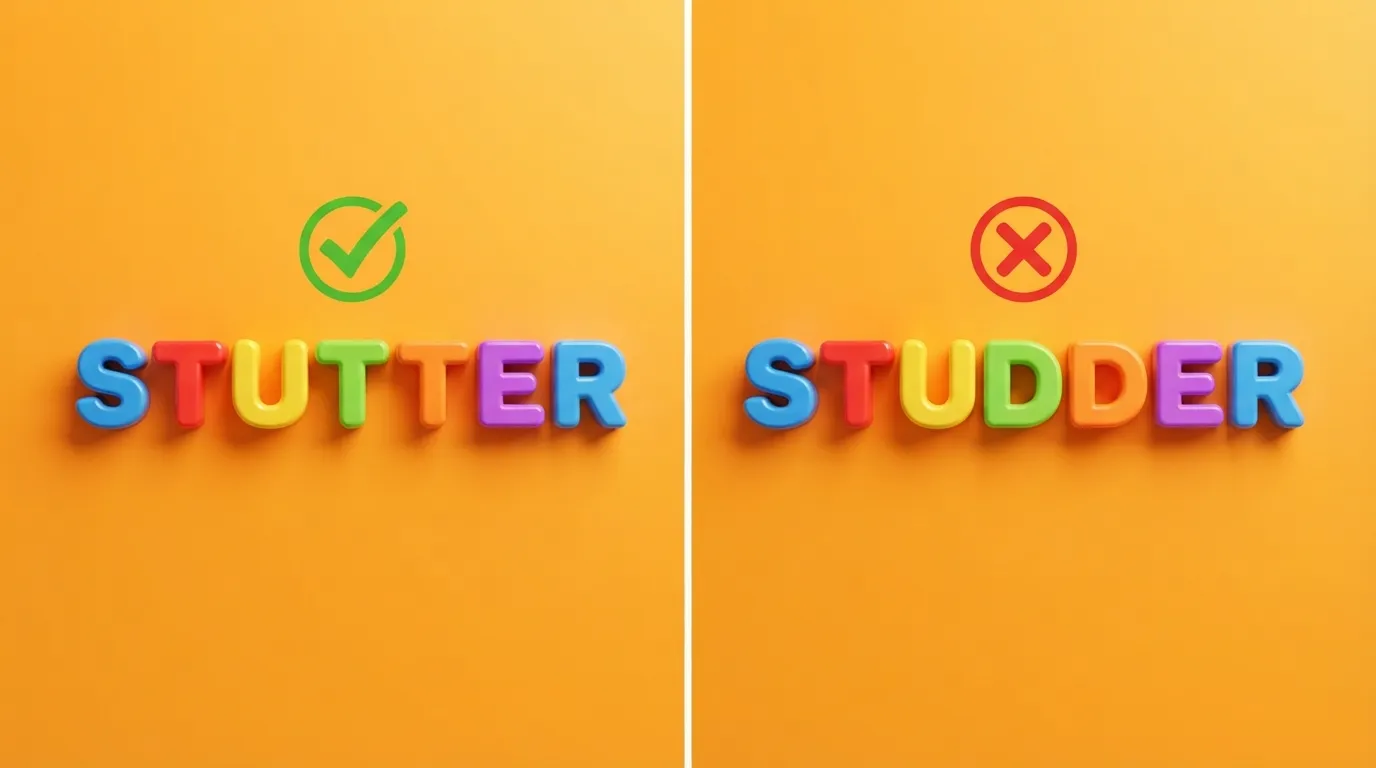
Studder or stutter
Stutter is the correct spelling. Studder is a common misspelling that shows up in casual writing, texts, and search bars, ...
Read more

Speech or Speach: The Correct Spelling Explained
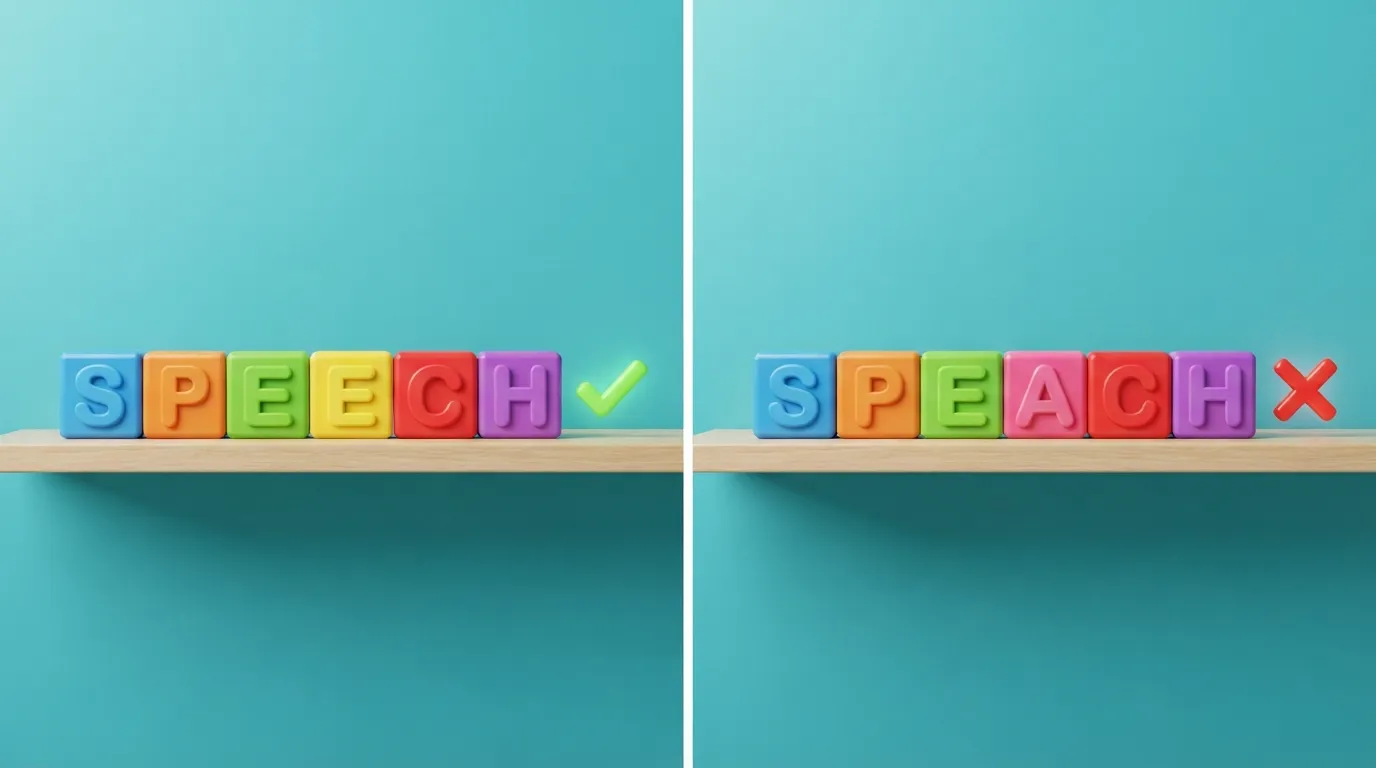
Speech or Speach
Speech is the correct spelling. Speach is a common misspelling that mixes up the vowel pattern from similar looking words ...
Read more

Kindergarten or Kindergarden: Which Spelling Is Right?
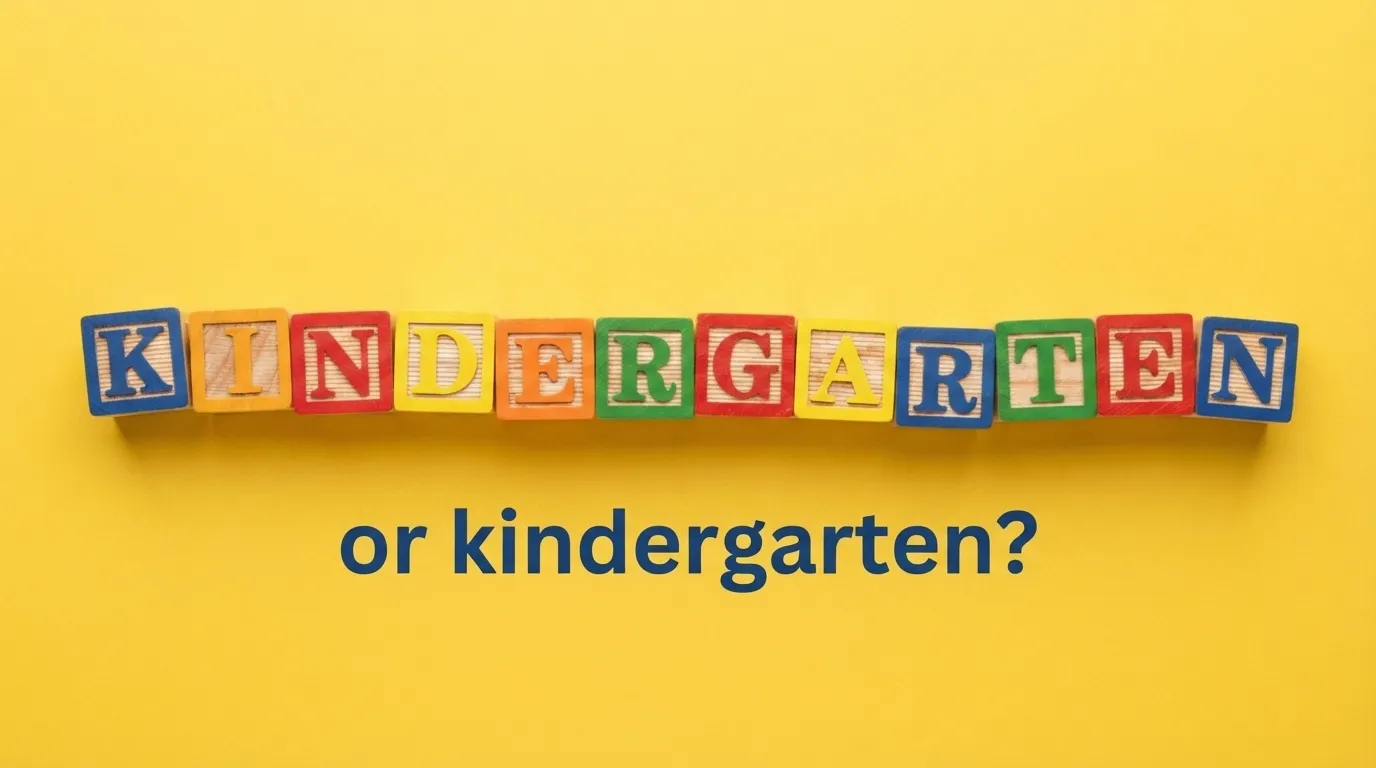
kindergarten or kindergarden
Kindergarten is the correct spelling. Kindergarden is a common misspelling that many parents and even teachers type without realizing it. ...
Read more

Excel or Excell: The Correct Spelling Explained
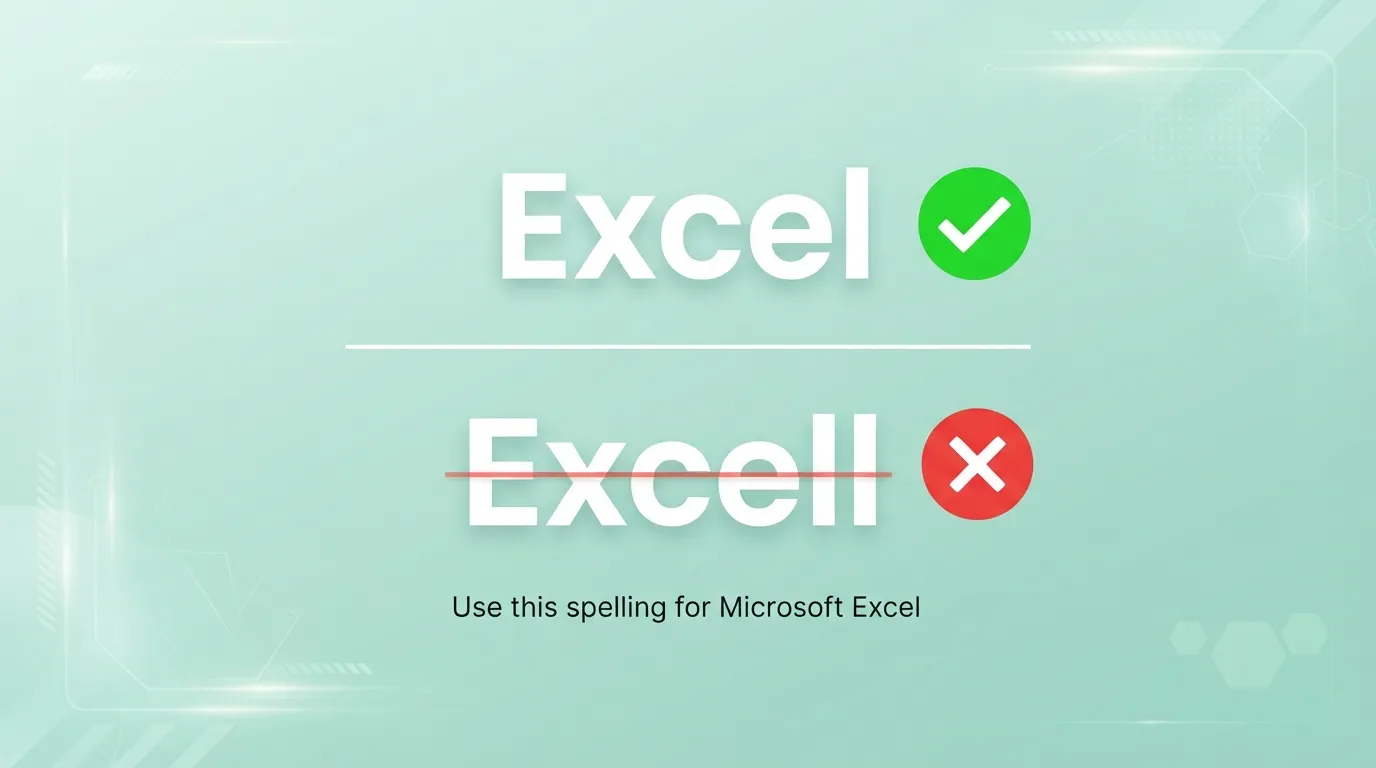
Excel or Excell
Excel is the correct spelling, whether you mean the Microsoft spreadsheet program or the verb meaning to perform extremely well. ...
Read more

Tries or Trys: The Correct Spelling Explained
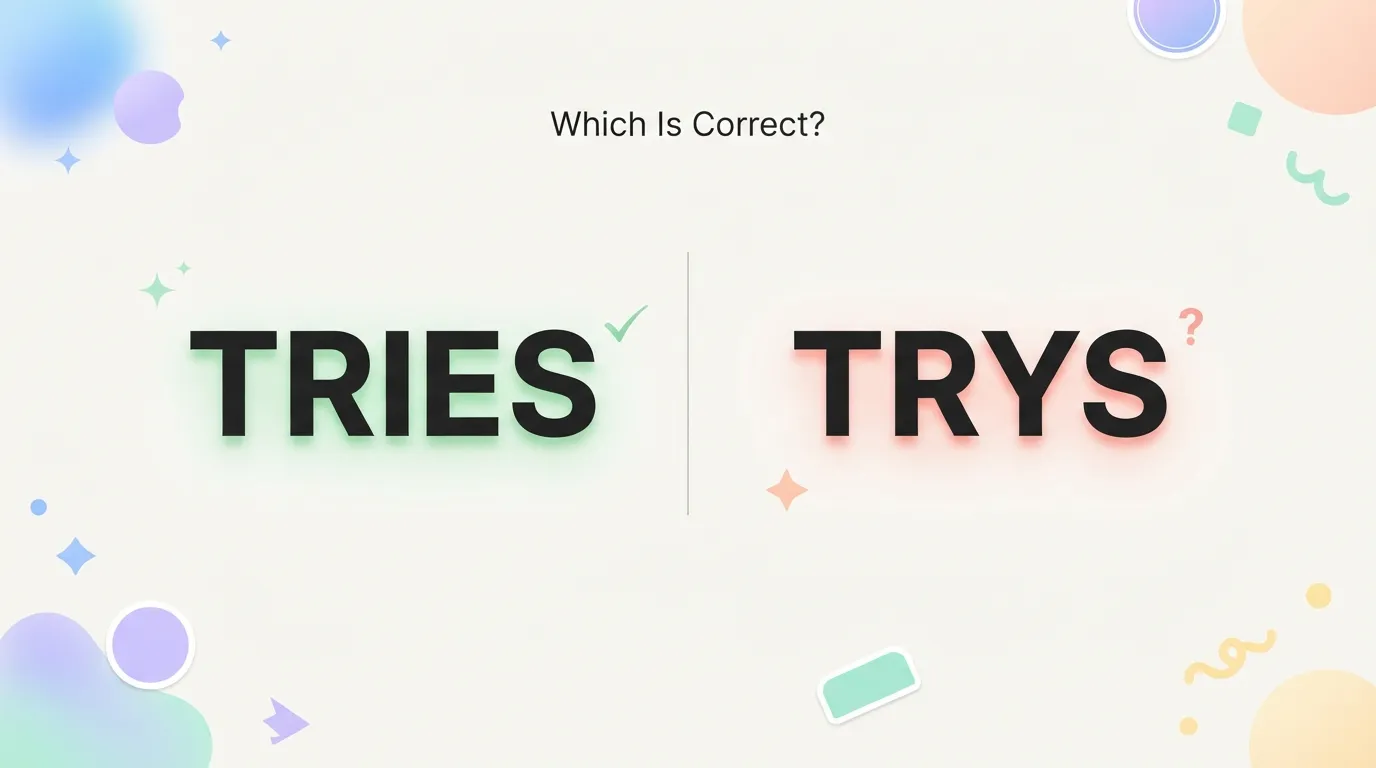
tries or trys
Tries is the only correct spelling. Trys is not a real word in standard English, no matter how natural it ...
Read more