OK or Okay: The Correct Spelling Explained
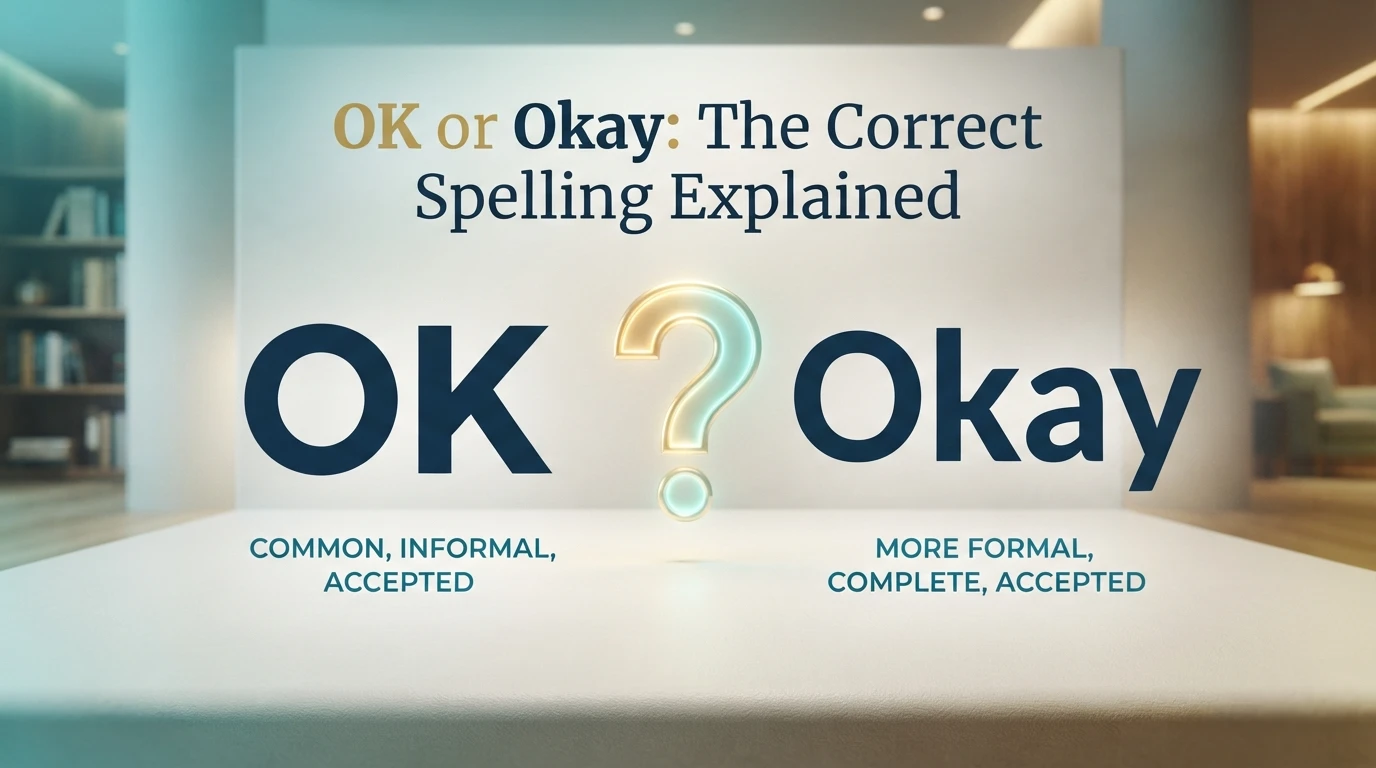
Both “OK” and “okay” are correct spellings in modern English. They mean exactly the same thing, and the choice between ...
Read more
Nosy or Nosey: Which Spelling Should You Actually Use
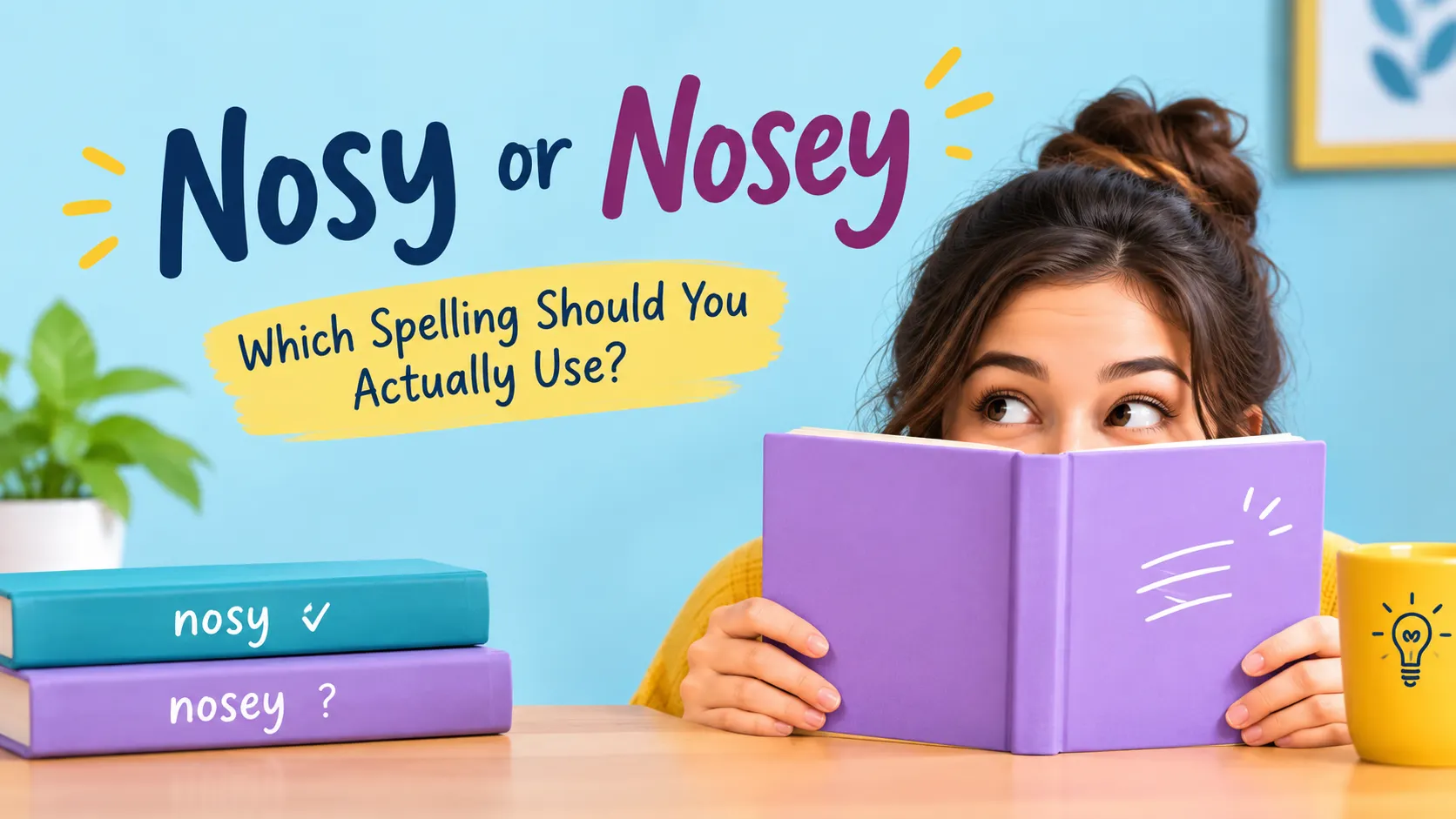
Nosy is the standard, most common spelling in both American and British English. Nosey is a recognized variant spelling, seen ...
Read more
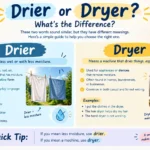
Drier or Dryer: What’s the Difference?
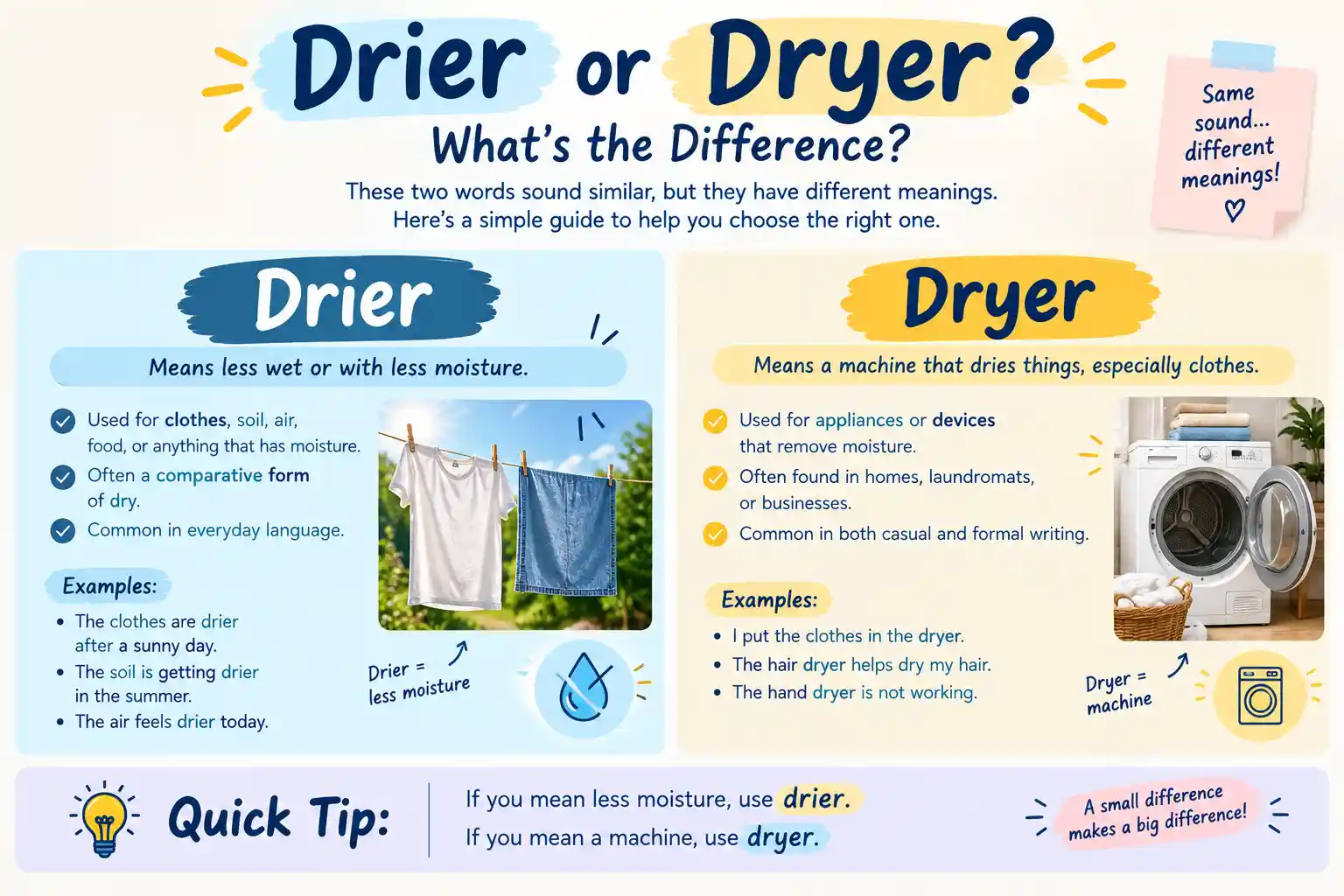
Drier is usually the comparative form of dry, meaning something is less wet. Dryer is usually a noun for a ...
Read more
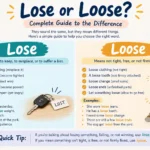
Lose or Loose: Complete Guide to the Difference
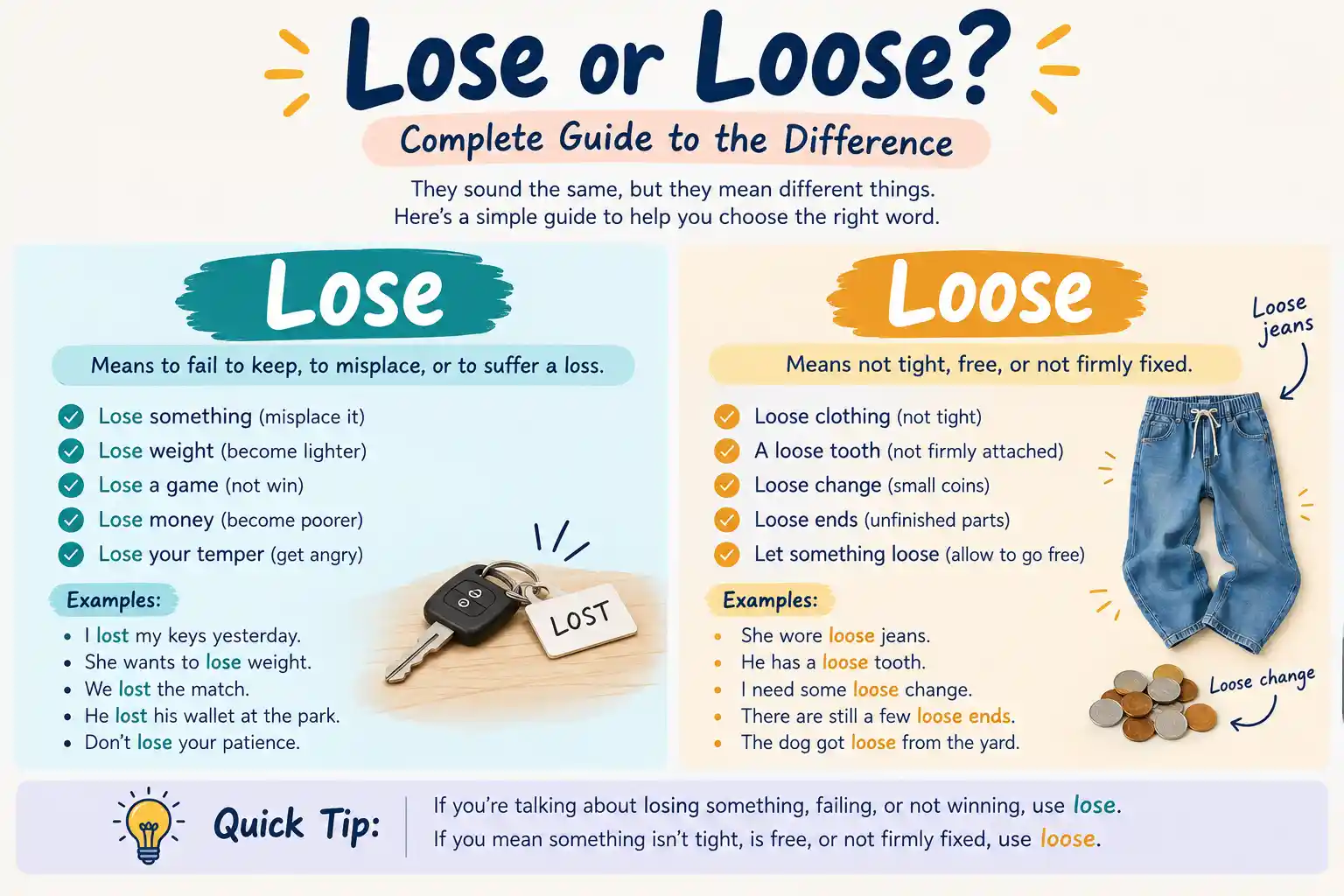
Lose means to misplace something, fail to win, or no longer have something, while loose means not tight, not firmly ...
Read more
Councilor or Counselor: The Complete, Proven Guide

Councilor means a member of a council, usually an elected local official. Counselor means someone who gives advice or guidance, ...
Read more
Glueing or Gluing: Which Spelling Is Actually Correct?
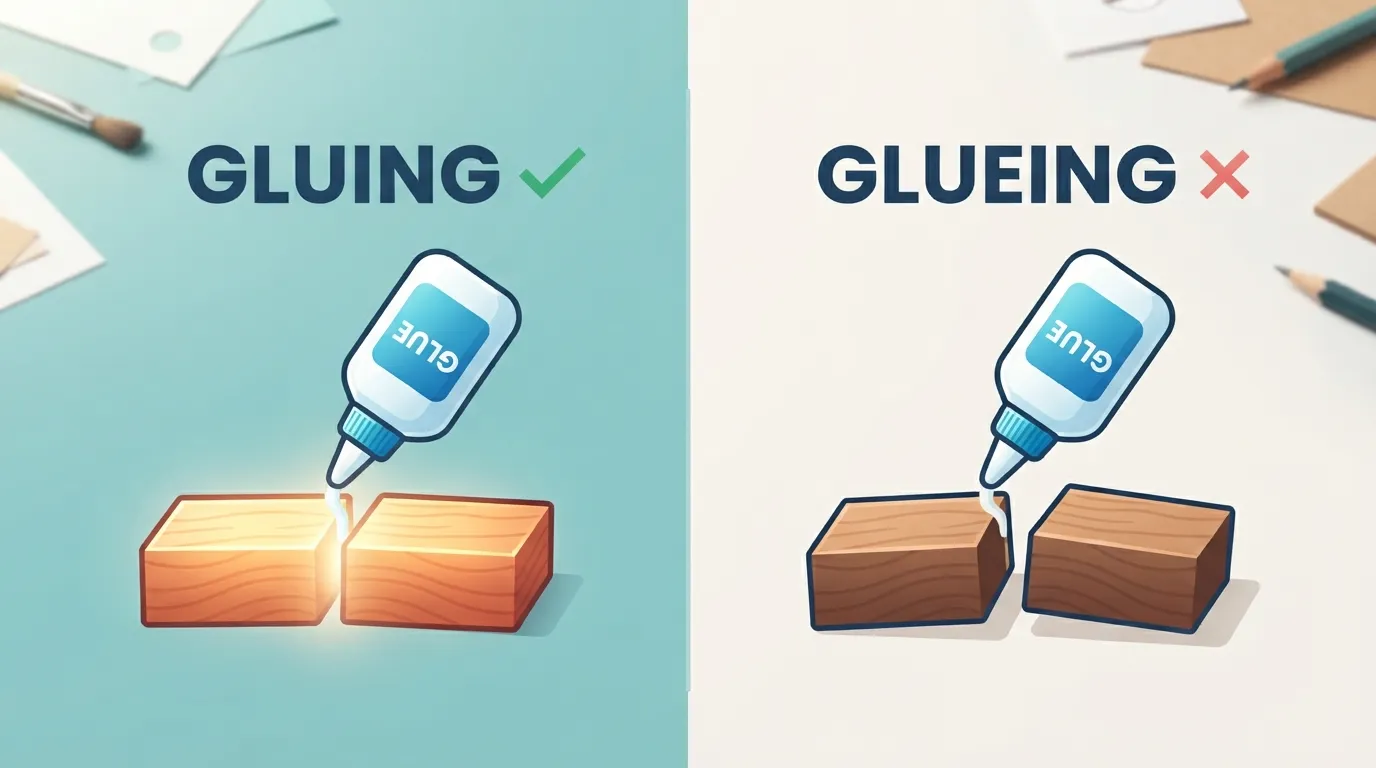
Gluing is the standard, correct spelling in modern English. Glueing is an older, less common variant that still appears occasionally, ...
Read more
Cancellation vs Cancelation: The Spelling Everyone Gets Wrong
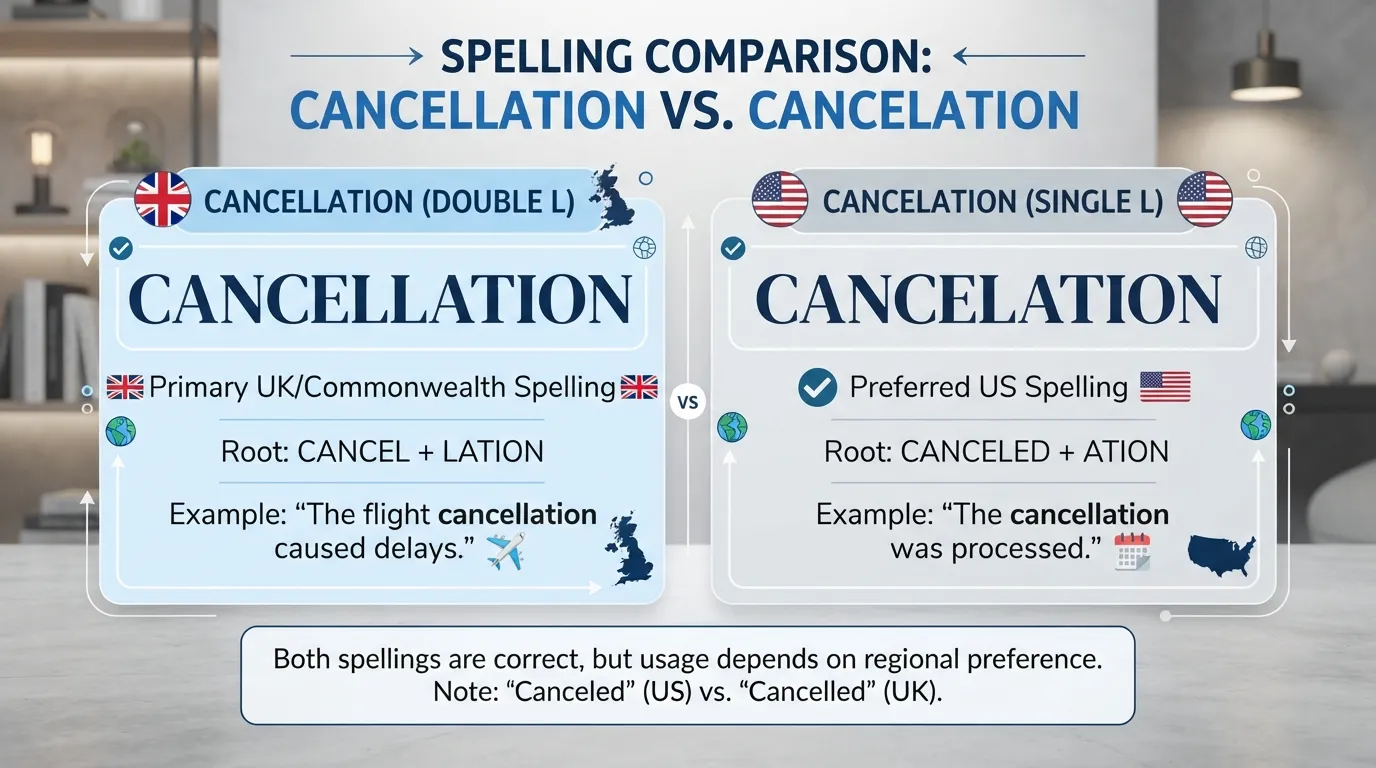
Cancellation, with two L’s, is the correct spelling in both American and British English. Cancelation, with one L, is a ...
Read more
Silk or Satin: The Real Difference Explained

Silk is a natural fiber made by silkworms, while satin is a weaving technique that can be made from silk ...
Read more
Yep or Yup: Which One Should You Actually Use?
Yep and yup are both informal, casual ways to say yes. They mean exactly the same thing. The only difference ...
Read more
Steel or Steal: How to Never Confuse These Words Again
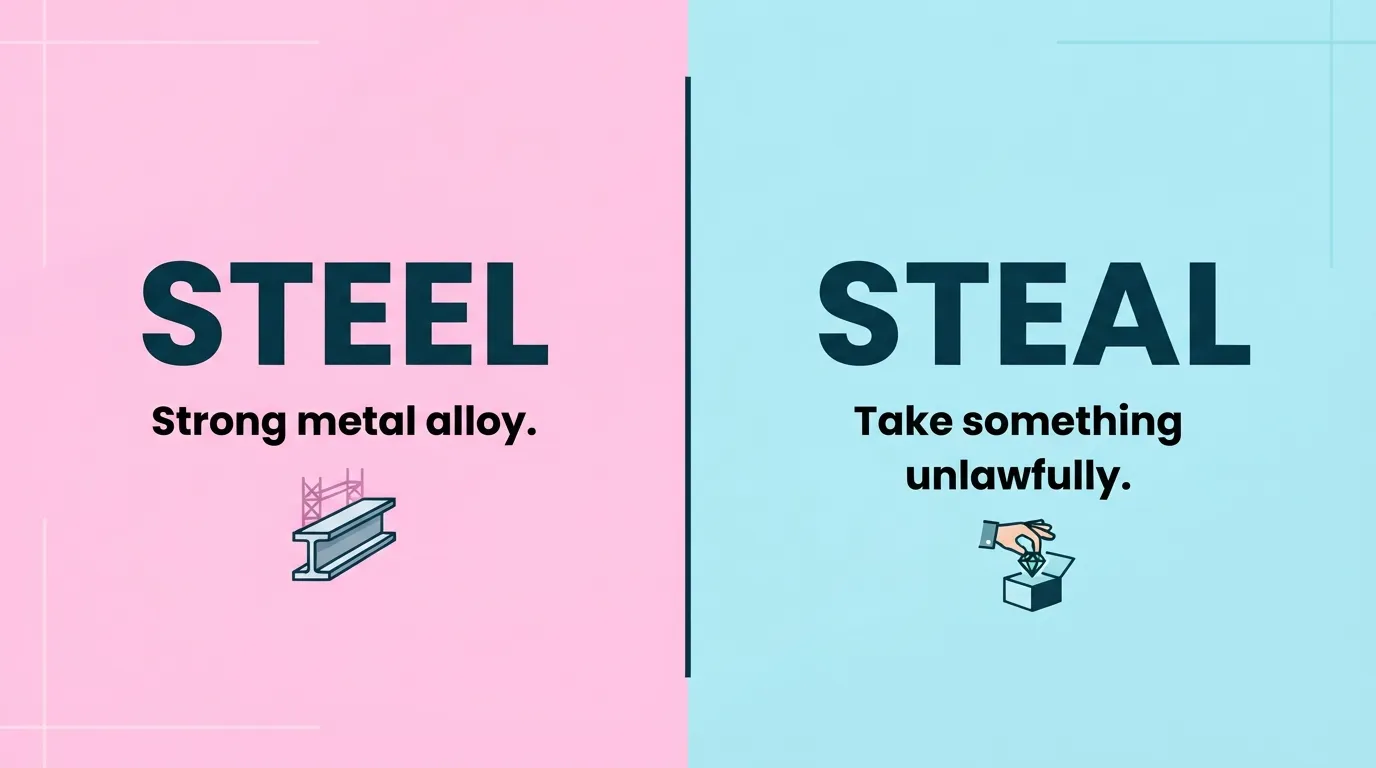
Steel and steal are two completely different words that just happen to sound alike. Steel is a strong metal made ...
Read more