May or Might: The Real Difference Explained
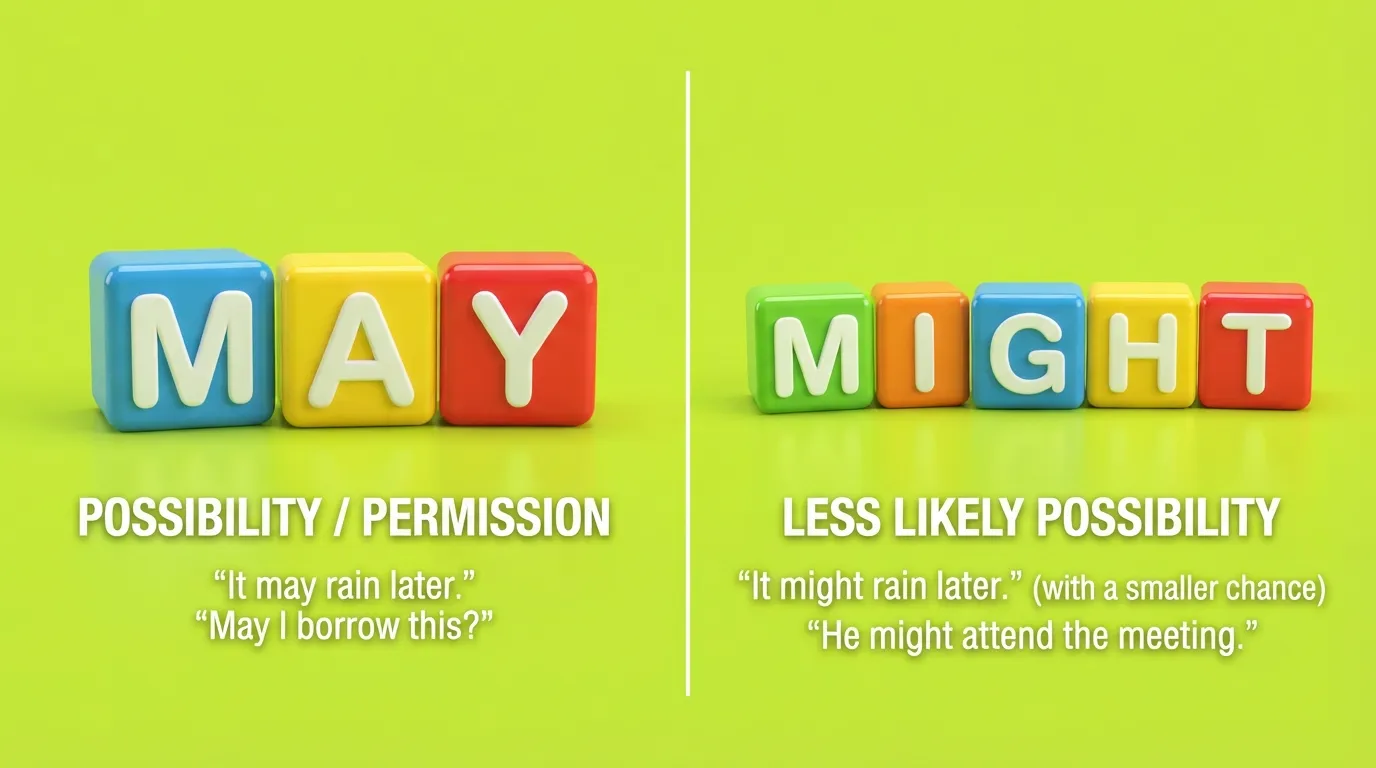
May and might are both used to show possibility, but may suggests a stronger chance while might suggests something less ...
Read more
Android or iPhone: The Complete Comparison Guide

Android offers more customization, device variety, and price flexibility, while iPhone offers a tighter ecosystem, longer software support, and a ...
Read more
Gen Z vs Millennial: The Real Difference Explained

Millennials were born between 1981 and 1996, growing up alongside the early internet, while Gen Z was born between 1997 ...
Read more
JPEG or PNG: The Complete Guide to Choosing Right
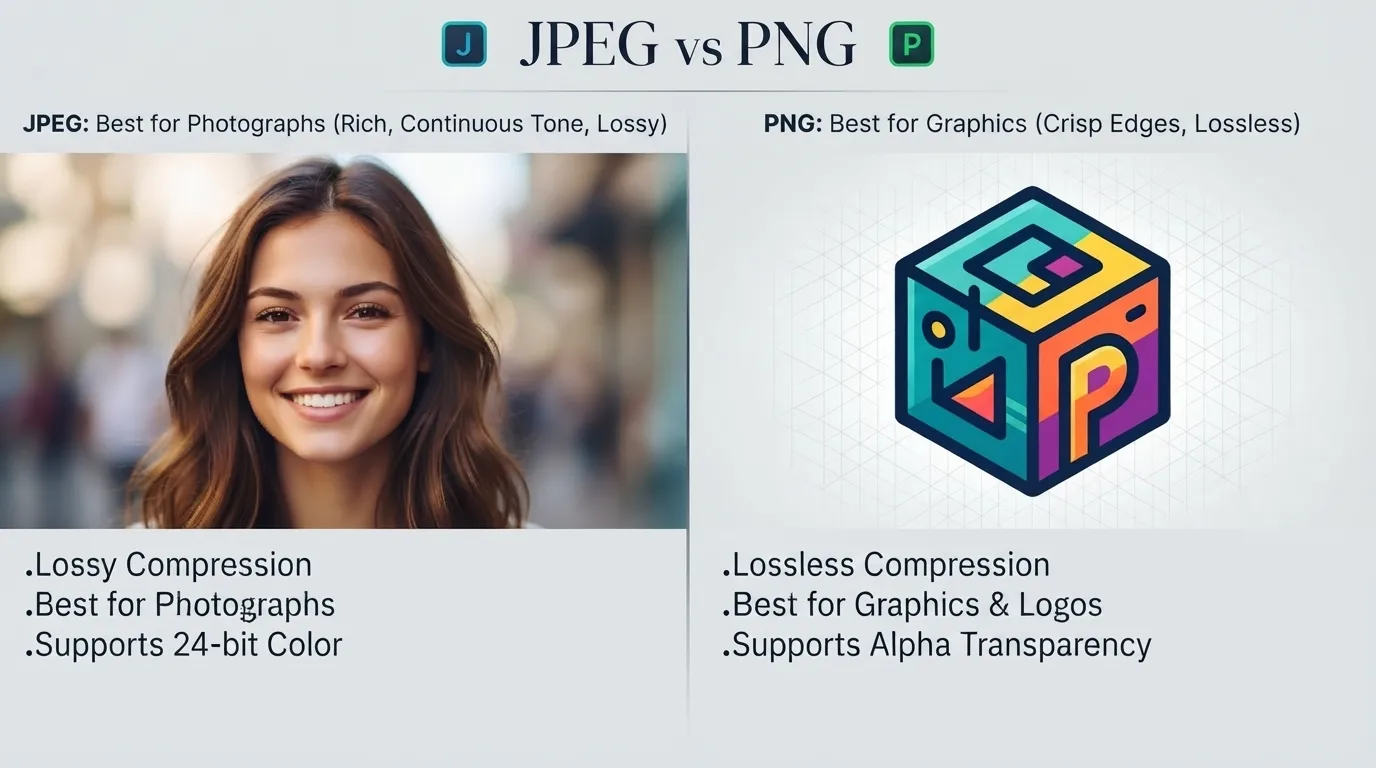
JPEG is a compressed image format best for photos and large images where file size matters, while PNG is a ...
Read more
Leaped or Leapt: The Complete Spelling Guide

Leaped and leapt are both correct past tense forms of leap, meaning to jump. Leaped is more common in American ...
Read more
DoorDash or Uber Eats: Which Delivery App Is Right for You?

DoorDash is usually the better choice if you live in the United States and order food regularly because it often ...
Read more
Swimming or Floating: Which Is Safer in Water?

Swimming means moving through water using coordinated strokes and kicks, while floating means staying on the surface with little or ...
Read more
Peak or Peek: The Easy Way to Never Mix Them Up Again
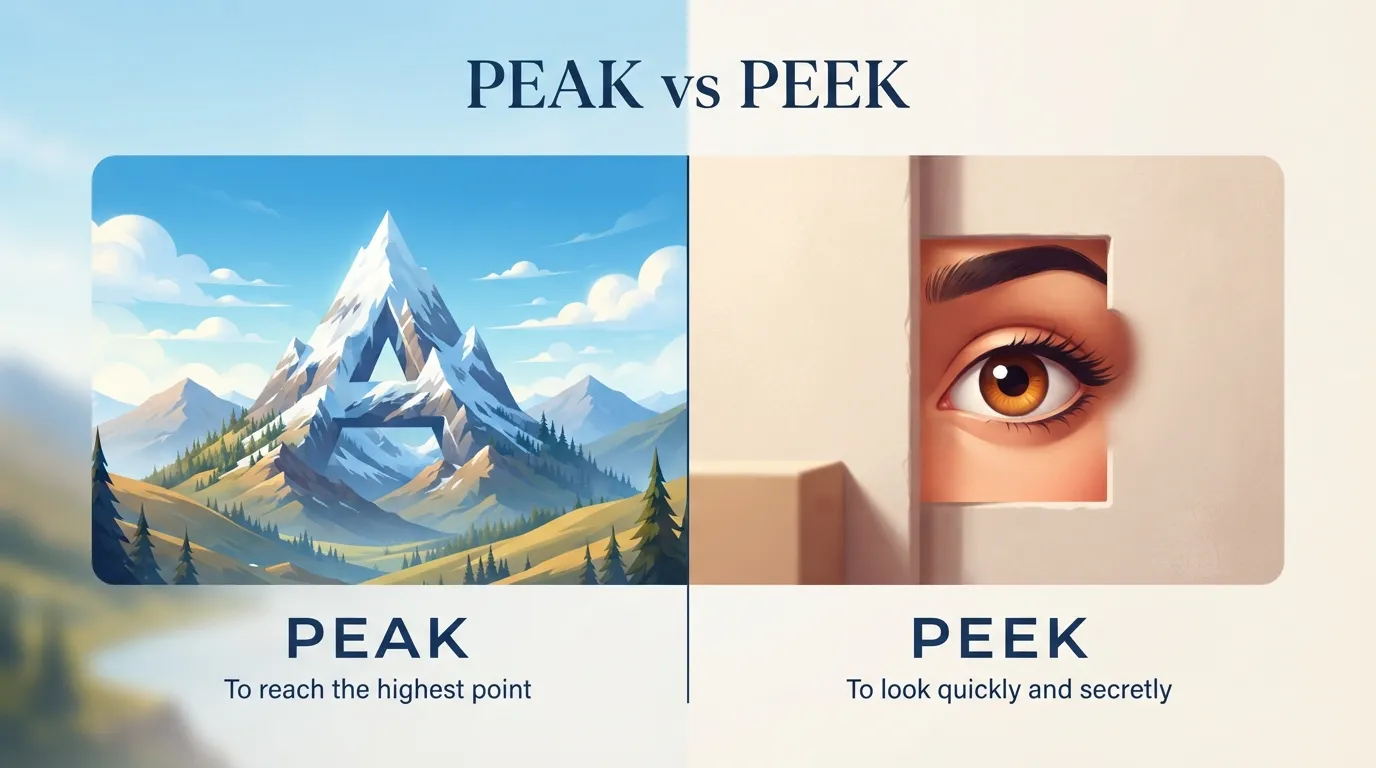
Peak means the highest point of something, while peek means a quick, secret look at something. I once wrote “sneak ...
Read more
Eyeing or Eying: The Complete Guide to Getting It Right

Both eyeing and eying are correct spellings. Eyeing is the more common form in modern English. Eying is an older, ...
Read more
Sang or Sung: The Complete Guide to Getting It Right
Use sang as the simple past tense, like “Yesterday, I sang.” Use sung only with a helping verb like have, ...
Read more